
Effective coffee shop design aligns layout and materials around a cohesive brand story. The goal is to create a space that supports flow, comfort, and coffee craft while encouraging dwell time and spending. In our experience, a strategically designed split-flap menu or cafe signage can complement minimal aesthetics, art curation, neutral palettes, and open layouts, creating a contemporary, modern feel. Explore our resources below to learn more.

Cafe Decor Resources

Enterprise Brand Cafe Design: Creating Memorable Focal Points
Looking to transform your café into more than just a place for coffee? By focusing on powerful focal points, designers can elevate the guest journey, tell the brand story, and leverage the unique attributes of each space. Learn how our practical five-step framework can help enterprise café brands design with intention and turn patrons into loyal regulars.
Learn More
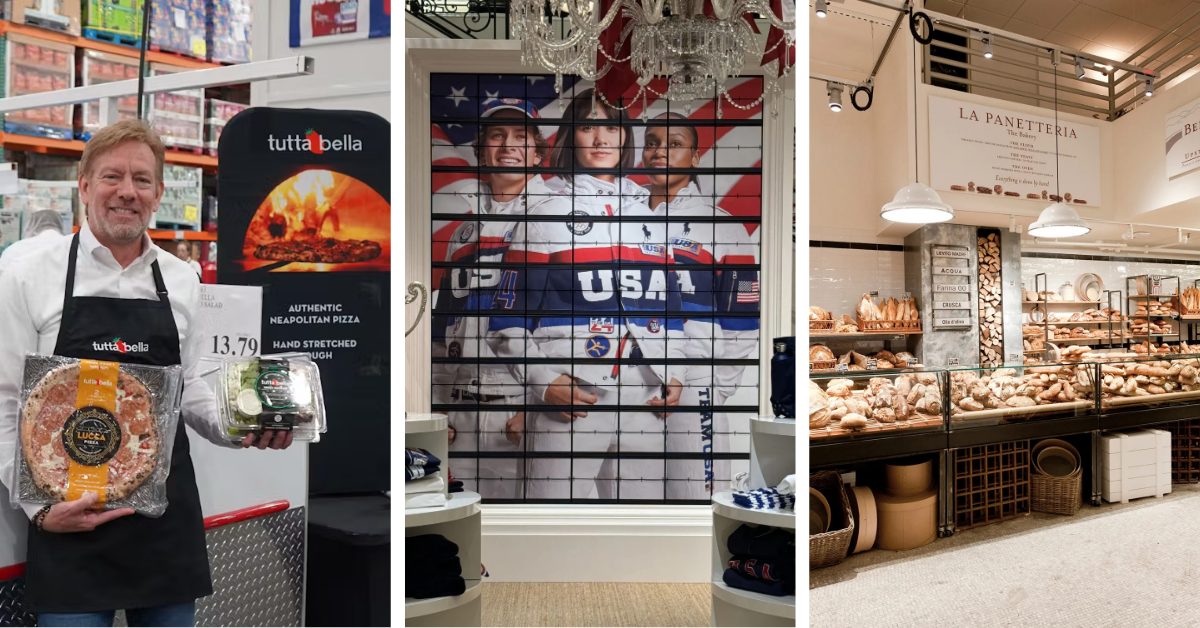
With Retail Store Design, Personality Matters – Here’s How to Achieve It
How can modern brick-and-mortar coffee spaces stand out, especially as physical stores compete with the digital age? See how retailers such as Costco and Eataly succeed by leaning into immersive design narratives, analog touchpoints, and immersive customer journeys that go beyond static product displays.
Learn More

Local and Flagship Cafés: The Value of Analog in Your Brand Story
Can a “retro-departures board” inspired display—specifically a Split Flap board—become the emotional and functional centerpiece of a café space? Learn how cafés are moving beyond static décor into immersive brand storytelling, turning the act of reading the menu into a memorable moment.
Learn More
Interactive Menu Projects


Cafe Decor FAQ
What’s popular in modern coffee shop decor?
Bold accent and statement walls, subtle tech integration, biophillic (green) design, localization, vintage-inspired decor, Instagrammable features, and flexible, multipurpose seating are all popular trends at enterprise-scale cafés.
Where do most designers come up with coffee shop decor ideas?
Designers often pull coffee shop decor ideas and inspiration from Pinterest and Instagram, publications like Design Milk, Dezeen, and ArchDaily. However, truly innovative ideas come from material libraries, local architecture, neighborhood history, and adjacent retail, such as bookstores, co-working spaces, and bakeries.
How can coffee shop design balance style and function?
Customer personas and behavior can influence cafe design heavily, inspiring better ways for spaces to look and function. Identifying the desired store experience, mainly, what decor and design should do, can help brands select elements that serve a purpose and are visually compelling.
How can cafes increase daily sales using design?
Intentional design can improve traffic flow, reduce wait times, prevent bottlenecks, highlight key menu items, and create comfortable spaces to increase dwell time.
What design elements will help cafes stand out from competitors?
Signature focal points, custom lighting, and art installations, paired with distinctive textures and materials, can help a brand express a unique visual story. Exploring alternative layouts, such as sunken lounges and semi-private work nooks also sets a café apart from competitors. Additionally, designing a space that feels intentionally connected to its neighborhood is one of the most effective ways to create authenticity and stand out in a crowded market.
What role should digital vs. analog design and decor play in the space?
Digital elements should be used in balance with analog features. Mobile-order screens and programmable lighting can all help improve how a space operates, catering to customer convenience. Meanwhile, analog assets such as hand-painted signage, custom millwork, and mechanical displays make spaces feel memorable and inviting, sharing brand personality in a way that feels authentic and tactile.