

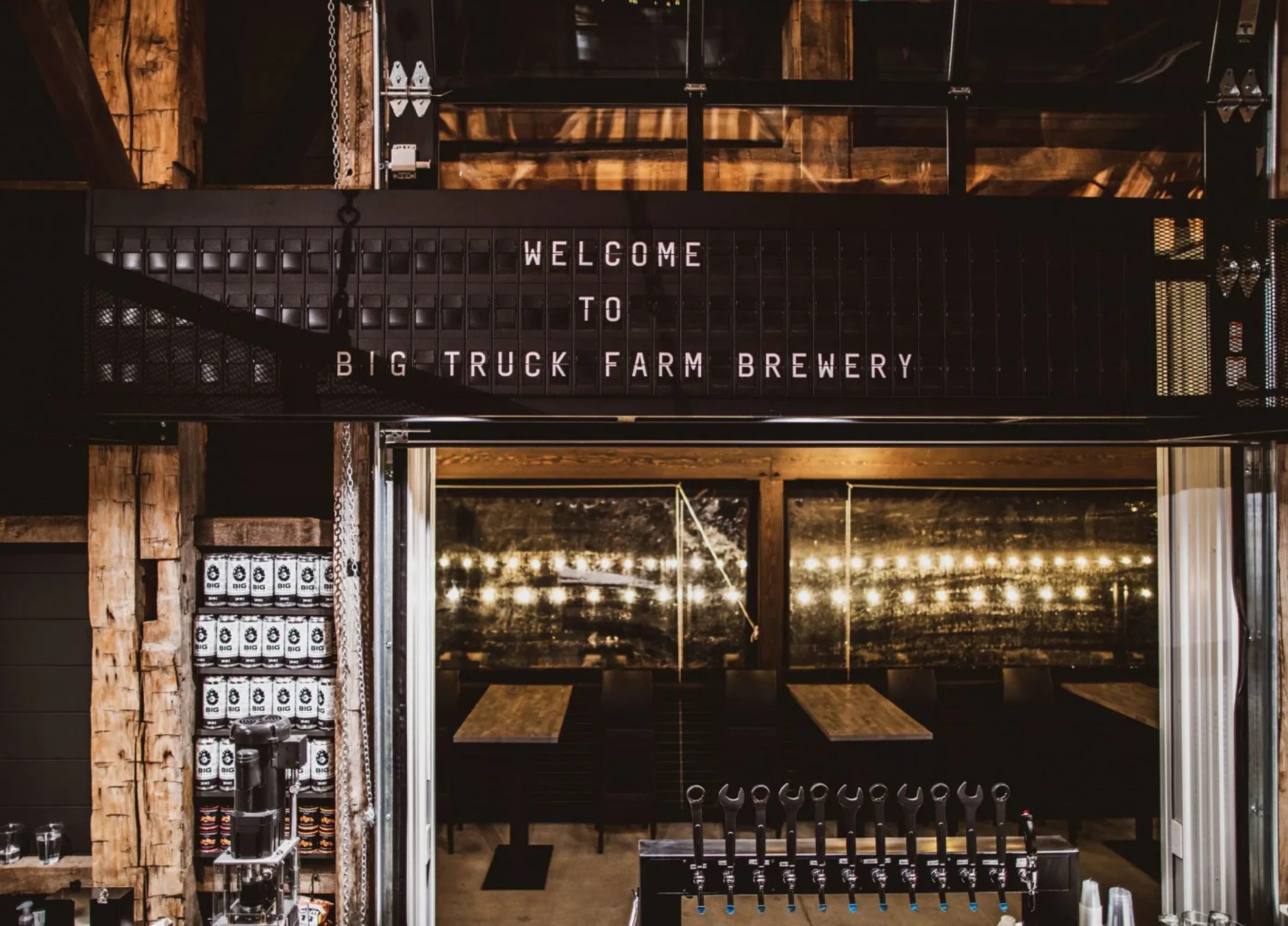
We’re proud to craft mechanical Split Flaps that, in addition to aesthetics, also serve as a stellar example of sustainable design. The custom-built installations run on low power and generate low heat, while being used as signature statement pieces in offices, restaurants, stadiums, luxury retail, and more. When comparing our displays to digital displays, there are a few components to consider, especially for brands looking to create screen-free spaces.

Mechanical Split Flap keeps messages visible without continuously illuminating a screen, drawing most of its energy during each flip.

Once the flaps finish moving, the message stays physically in place, with no backlight or illuminated pixels required to remain visible.
Mechanical Split Flap Sustainability and Power
When it comes to the sustainability and power use of a custom mechanical display, here’s how Oat Foundry’s Split Flap breaks down.
- Power and Energy Consumption: At rest, the inactive power of an Oat Foundry display is as little as 29–197 W, depending on display size. Energy consumption increases mainly during a flip, with a typical transition lasting about 0.1 minutes per cycle. Once the message is displayed, the physical flaps remain in position without needing continuous light or energy to keep the content visible.
- Heat Output: Split Flap heat output is 180–1,034 BTU, depending on product size. Our systems are low-thermal and do not require active cooling.

Low power draw and minimal heat output make mechanical Split Flap a distinctive option for sustainability-conscious spaces.

Digital signage requires continuous power while operating, with energy consumption and heat output varying by display technology, size, and brightness.
Digital Split Flap Pricing
When it comes to the power usage and sustainability of digital displays, here’s how most screens and digital signage break down.
- Power and Energy Consumption: A typical commercial 65-inch LCD signage display consumes about 145 W in typical operation and up to 200 W at maximum load; a 67-inch direct-view LED display typically consumes 252 W and up to 900 W at maximum load. Larger LED walls scale by area: a commercial LED cabinet may average 92–126 W per cabinet and reach 200–280 W per cabinet depending on brightness.
- Heat Output: Because the electrical energy consumed by a display ultimately becomes heat within the space, heat output rises in direct proportion to operating wattage. A 65-inch commercial LCD rated at 145 W typical / 200 W maximum produces approximately 495 BTU/hour typical / 682 BTU/hour maximum. A direct-view LED product example rates heat generation at 431 BTU/hour per cabinet on average at 1,000 nits, rising to 957 BTU/hour per cabinet at maximum; measured per square meter, that same product is rated at 532 BTU/hour average and 1,181 BTU/hour maximum at 1,000 nits.
Digital Split Flap installations may include ongoing costs for CMS subscriptions, media players, replacement screens, and service. A custom mechanical Split Flap from Oat Foundry runs off our Portal, which is included for free with every installation.
Mechanical vs. Digital Split Flaps: Sustainability Takeaways
Our displays use less power and energy than digital displays and often help architects and designers meet sustainability goals. While digital displays draw power continuously and generate significant heat, modes such as “sleep, on, and off” can help brands stay compliant.

Let’s Put Your Wall in Motion
Split Flap transforms ordinary spaces into unforgettable experiences.
Book a demo today to learn how to build a display as unique as your brand.